Soil Drought Caused by Climate Change
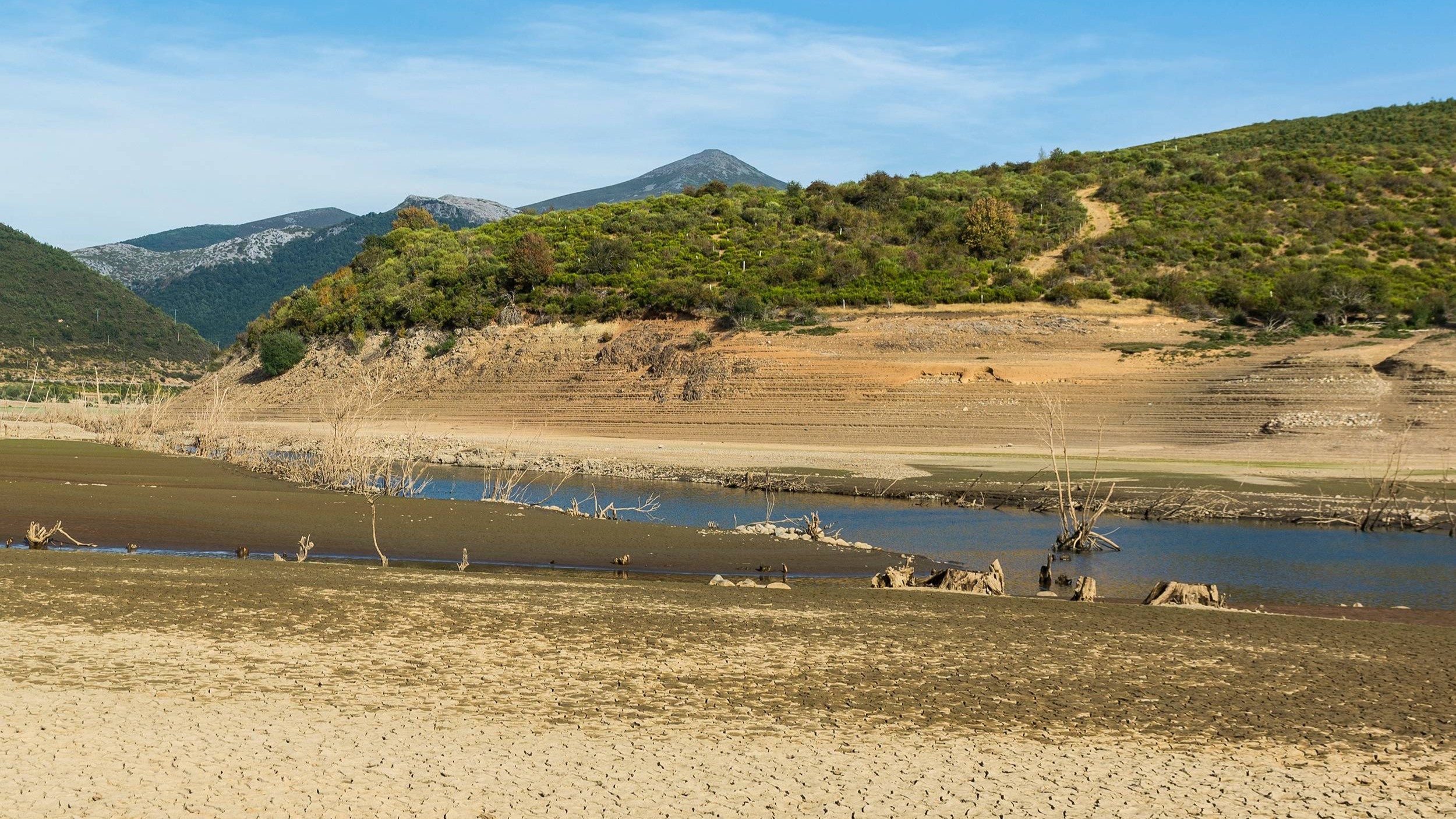
The current drought in many regions of Europe is a consequence of climate change. This is the conclusion reached by a study from World Weather Attribution (WWA), a consortium of climate researchers that investigates the extent to which climate change contributes to current extreme weather events. Surprisingly, it is not the lack of precipitation that is the decisive factor in the extreme drought, but rather the persistently high temperatures, as reported by the Tagesschau and Die Zeit, among others.
Increased evaporation due to high temperatures
The reason lies in increased evaporation: the same precipitation deficit that would not have triggered a drought in the past now leads to a drought today due to higher evaporation rates. Although Western Europe started the year with a wet winter, signs of unusually dry soil began to emerge as early as spring. Between April and June, large parts of the continent received below-average precipitation, compounded by several heat waves. The result was drought.
This creates a self-reinforcing vicious cycle: Hot air dries out the soil, and dry soil makes the air even hotter. Climate researchers have quantified the extent to which climate change is exacerbating this trend: Agricultural soil droughts are now about five times more likely in Western Europe and as much as eleven times more likely in Eastern Europe than they were before industrialization.
Forecast for the Future
Further warming is exacerbating the problem. Forecasts indicate a further warming of 2.8 degrees—under this scenario, evaporation rates would increase almost exponentially, and the likelihood of droughts would double. Without rapid reductions in emissions, Europe could be heading toward a future in which such intense, scorching-hot, and dry summers become a regular occurrence.
Early Detection of Soil Dryness Using Sensors
Soil sensors enable the early detection of soil drought, allowing preventive measures to be taken before damage occurs.
Sensors continuously measure soil moisture, making it possible to quantify dryness and determine irrigation needs. This prevents both over- and under-irrigation and optimizes water use. In times of drought and water scarcity, this precision is crucial for avoiding the waste of this scarce resource while maintaining tree vitality and preventing crop losses.
Take a Look at the Data Yourself: The Nationwide Water Situation at a Glance
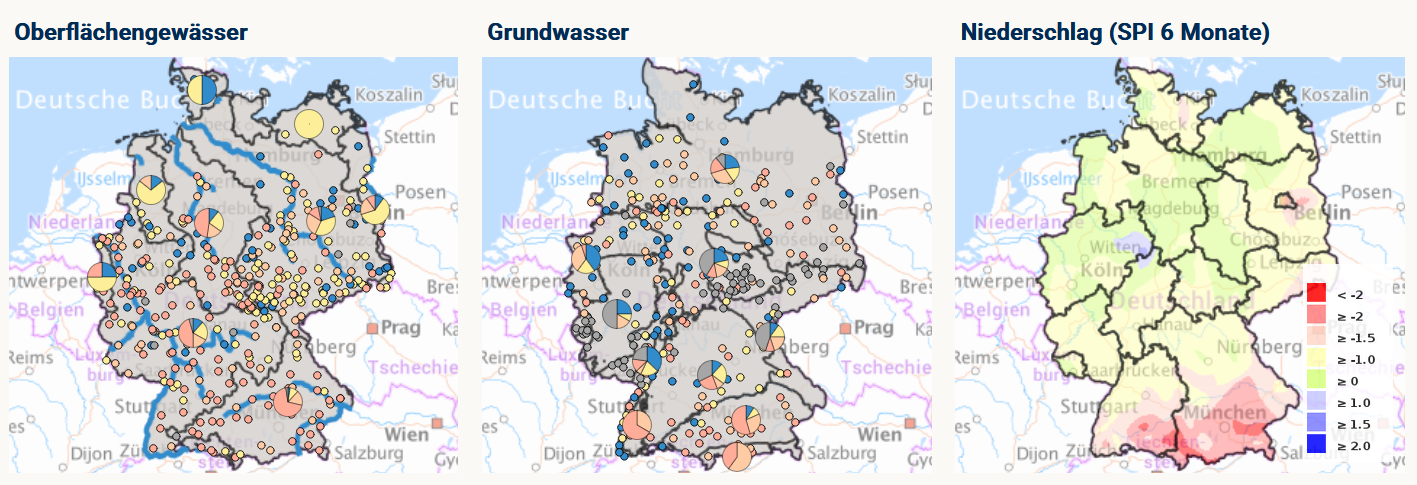
The National Water Management Information System (NIWIS) provides a comprehensive overview of the water situation in Germany. The system provides current and historical data on water levels, groundwater levels, and soil moisture, and integrates measurement data from thousands of monitoring stations located along rivers, lakes, and groundwater wells nationwide. This provides a holistic view of the availability and condition of water resources.