Heat Check 2026: Why Every City Tree That Is Preserved Counts
The German Environmental Aid Association (DUH) has published its 2026 Heat Check report. The key finding: Nearly one million trees have disappeared from German cities since 2018. At the same time, land sealing continues to increase. This is a concerning development for the urban climate.
The Heat Index Survey has been conducted annually since 2024 and examines cities with more than 50,000 residents. In 2026, the survey will focus in particular on tree cover, canopy cover, and trends in land sealing between 2018 and 2025.
Trees are crucial to the urban climate
A key indicator is what is known as the “canopy cover.” It describes the proportion of urban area shaded by tree canopies. Trees have a significantly greater impact on cooling cities than lawns or low vegetation. For this reason, a canopy cover of at least 30 percent is considered scientifically recommended.
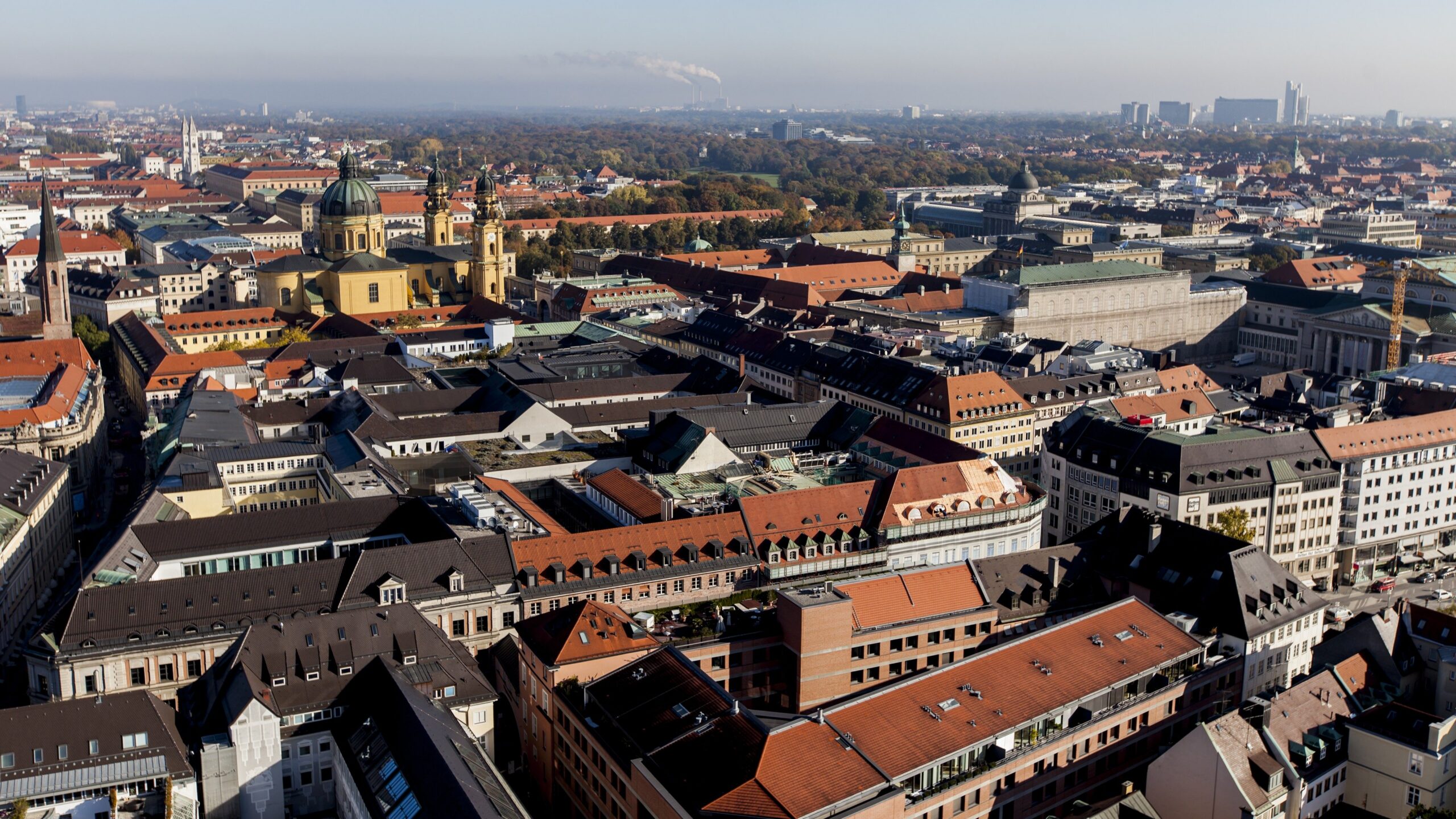
However, only seven of the cities studied meet this goal, including Hamburg, Berlin, Wuppertal, and Kiel. Munich falls into the orange rating category with 25.61 percent.
Land sealing continues to increase
The trend in land sealing is particularly concerning. None of the cities studied showed a positive trend between 2018 and 2025. Additional land was sealed off everywhere.
Munich, too, has seen an increase of 0.15 percent, placing it in the orange zone as well. More impervious surfaces mean less infiltration of stormwater, poorer growing conditions for trees, and higher temperatures in the city.
Targeted Protection and Preservation of Urban Trees
The results clearly show that cities continue to lose important green spaces, while the effects of climate change are intensifying. Once lost, mature trees cannot be replaced in the short term. It often takes decades for newly planted trees to have the same impact.
This makes it all the more important to preserve existing trees and ensure their long-term vitality. The so-called “3-30-300 rule” offers helpful guidance in this regard: Everyone should be able to see at least three trees from their home, live in a neighborhood with at least 30 percent tree cover, and be able to reach a green space within a maximum distance of 300 meters.
In our view, we need not only to reduce land sealing and plant more trees, but also to place a greater emphasis on preserving existing trees. Large, mature trees and habitat trees, in particular, make an indispensable contribution to cooling, biodiversity, and quality of life.
Digital monitoring solutions can help municipalities continuously monitor the health of these trees and detect drought stress at an early stage. At the same time, data-driven irrigation management enables a needs-based and water-efficient supply for newly planted trees. This improves survival rates, conserves water resources, and reduces the long-term cost per successfully established urban tree.